Tuesday, 21 February 2023

India's leading crops that you should be informed about


Introduction


About 58% of India's population relies primarily on agriculture as a source of income, making India one of the major players in the global agricultural industry. India is the world's largest producer of milk, pulses, and spices. It also has the largest herd of cattle (buffaloes) and the largest area planted to wheat, rice, and cotton. It is the second-largest producer of wheat, rice, cotton, sugar, farmed fish, fruit, vegetables, tea, and farmed vegetables. About half of the population of India is employed in agriculture, and India has the second-largest agricultural land area in the world. As a result, farmers play a crucial role in the sector that produces food for us.


Due to its enormous potential for value addition, particularly within the food processing industry, the Indian food industry is poised for tremendous growth and will likely increase its contribution to the global food trade every year. One of the largest industries in India, food processing contributes 32% of the nation's total food market and is ranked fifth in terms of production, consumption, exports, and expected growth.


1) Kharif Plants- What are they?


The Kharif crops are primarily harvested in this season, and the word "Kharif" is also an Arabic word that means "autumn" (September or October). Because they are sown during monsoons, these crops are also referred to as "monsoon crops." Furthermore, they thrive in hot, humid climates where there is rain. They also heavily rely on rainfall patterns. The two most crucial factors affecting the output of the Kharif crop are the quantity and timing of rain. Their seeds are sown at the beginning of the monsoon season, and their crops are harvested at the end.


The Kharif crop season, however, varies from state to state in India. Depending on the region, the general sowing season runs from June until November. Depending on when the monsoons start to fall, different parts of India have different sowing seasons. For instance, seeds are typically planted in northern regions like Punjab and Haryana around June, while they are typically planted in southern states like Kerala and Tamil Nadu toward the end of May.


Kharif crop examples include:


  • Rice, bajra, groundnuts, cotton, pulses, maize, oilseeds, etc. are a few examples of Kharif crops.

  • Rice is the most important Kharif crop

  • In India, rice is the most typical example of a Kharif crop. Additionally, India produces 20% of the rice consumed worldwide, just behind China. It is one of the most significant agricultural crops in the nation.

  • Rice typically grows in areas with high rainfall, and it only needs 100 cm of precipitation and an average temperature of 250 C.


Additionally, the crop is typically grown in rice paddy fields that are flooded. West Bengal is also the state in India that produces the most rice.


2) Rabi crops: what are they?


Winter crops are another name for rabi crops. During the winter, they appear between the months of October and March. The word "Rabi" in Arabic means "spring." As a result, the harvesting season for Rabi crops starts in the spring. Rabi crops require less water to grow than Kharif crops do. As a result, they can easily grow and thrive with regular irrigation. Wheat, barley, pulses, grain, and other crops are examples of rabi crops. Additionally, during this season, farmers also plant seeds for mustard, cumin, sunflower, rapeseed, and other crops.


Examples of Rabi crops:


  • Some examples of rabi crops grown in India are wheat, mustard, barley, green peas, sunflowers, coriander, cumin, etc.

  • Wheat is the most important Kharif crop grown

  • Wheat production contributes significantly to India's agricultural income. The second-largest producer of this crop of wheat worldwide is India.


Winter is the ideal time of year to cultivate this rabi crop because wheat requires cold temperatures to grow. The ideal temperature range should be between 140 and 180 °C with 50 to 90 cm of rainfall. When the weather is slightly warmer in the spring, the crop is harvested.

The largest producer of wheat in India is Uttar Pradesh, which is closely followed by Punjab and Haryana.


3) Vegetables grown in India


India is a nation with a long history of agriculture and is renowned for producing a wide range of vegetables. Tomatoes, potatoes, onions, carrots, cauliflower, peas, okra, eggplant, chilli peppers, and garlic are a few of the vegetables that are grown most frequently in India. India is a significant contributor to the global food industry because it is also the world's top producer of milk, ginger, and turmeric. India continues to be a leading producer of high-quality vegetables crops for both domestic consumption and export thanks to favourable climates and fertile soil in various regions.


A country needs a variety of vegetables for a number of reasons, including:


  • Dietary diversity: A wider range of minerals and nutrients that are crucial for human health and wellbeing are provided by a variety of vegetables.

  • Food security: A variety of vegetable crops lowers the risk of crop failure due to disease or other factors, assisting in maintaining a steady supply of food for a population in a given nation.

  • Cultural preservation: Different vegetables are frequently associated with specific cultural customs and foods. Diverse vegetable preservation contributes to preserving cultural diversity and heritage.

  • Economic advantages: Farmers, processors, and retailers all have access to employment and income opportunities through a diverse vegetable industry.

  • Biodiversity: Growing a range of vegetable crops promotes biodiversity by creating habitats for numerous species and preserving the health of the soil.


4) Herbs


Since the beginning of time, medicinal plants have been used in healthcare. Global research has been done to confirm their efficacy, and some of the results have sparked the development of plant-based medications. The annual market value of products made from medicinal plants exceeds $100 billion worldwide. The value of using the common-factor approach to involve other health advocates in spreading the principles of medicinal plants is emphasized. The five guiding principles of the Primary Health Care (PHC) approach are further examined in relation to the role of medicinal plants in preventing common diseases. The promotion and use of medicinal plants complement all current disease prevention strategies and play critical roles in disease prevention. However, deliberate efforts must be made to correctly identify, acknowledge, and position medicinal plants in the design and implementation of these strategies.


The significance of some herbs and their therapeutic benefits:


(1) Wounds, sores, and boils can be treated with herbs like black pepper, cinnamon, myrrh, aloe, sandalwood, ginseng, red clover, burdock, bayberry, and safflower.

(2) Some significant medicinal herbs that can be grown in a kitchen garden include basil, fennel, chives, cilantro, apple mint, thyme, golden oregano, variegated lemon balm, rosemary, and variegated sage. These herbs are simple to grow, beautiful, delicious, and fragrant, and many of them attract bees and butterflies.

(3) By removing the metabolic toxins, many herbs are used as blood purifiers to improve or change a chronic condition. These are likewise referred to as "blood cleansers." A person's immunity is increased by some herbs, which lessen illnesses like fever.


5) Phal-phool-tree crops


Tropical jungles all over the world are home to tropical and subtropical plants. These plants add a distinctive and exotic feel to their growing environment and frequently produce stunning blooms in a variety of colors. Many tropical and subtropical plants require warmth more than moisture, despite the fact that they are native to moist environments. As a result, it is relatively simple to grow some tropical plant species in warm, non-tropical environments. The fact that tropical plants continue to grow throughout the year is one of their best qualities. Numerous tropical and subtropical fruits and flowers are available. The tropics have the ability to produce large amounts of fruit, and as there are more opportunities for rapid shipment, new varieties are being added to the global market.


All of India's states primarily engage in fruit and flower cultivation. Farmers in every state cultivate fruits and flowers in accordance with the season. Mango, banana, grapes, amla, apple, walnut, almond, plum, dates, guava, kinnu, lemon, lime, and mandarin oranges are just a few of the fruits that are commonly grown. Jasmine, Lady's Slipper, Kopau Phul, African Marigold, Lotus, Palash, Golden Shower Tree, Lilium candidum, Siroi lily, Red Vanda, Rhododendron, Ashoka, Rohira, Noble Orchid, Glory Lily, Ranawara, and Nag Kesar are among the most commonly grown plants.


To sum up


In India, various crops are grown, and this activity is vital to the nation's economy, food security, and cultural legacy. A wide variety of crops, including grains, vegetables, fruits, spices, and herbs, are produced in India, which is renowned for its diverse agricultural sector. For millions of farmers and rural communities, these crops provide income, opportunities for employment, and vital nutrients. The cultivation of a variety of crops also supports the preservation of traditional farming methods and cultural heritage while preserving biodiversity. As one of the biggest agricultural producers in the world, India's crop industry must continue to expand and develop in order to maintain the nation's long-term food security, economic stability, and cultural diversity.


An essential tool for promoting crops and helping Indian farmers is the Kisan Helpline. The following are a few of the helpline's main advantages:


  • Information on agriculture: The helpline offers farmers guidance and information on the most effective methods for growing crops, including seed selection, fertilisation, pest control, and more.

  • Market information: By giving farmers knowledge of crop market prices, the helpline enables them to decide when to sell their produce and how much to demand.

  • Credit availability: The helpline can inform farmers about government initiatives and loan options, assisting them in getting the credit they need to invest in their crops.

  • Expert connections: The helpline links farmers with agricultural professionals who can offer advice and support on a variety of issues. 

  • Increased income: The Kisan Helpline can assist in enhancing farmers' income and financial stability by giving them the knowledge and assistance they need to efficiently grow and sell their crops.

  • In general, the Kisan Helpline is a helpful tool for Indian farmers, giving them knowledge, assistance, and resources that can help increase the productivity and sustainability of their crops.
Sunday, 19 February 2023

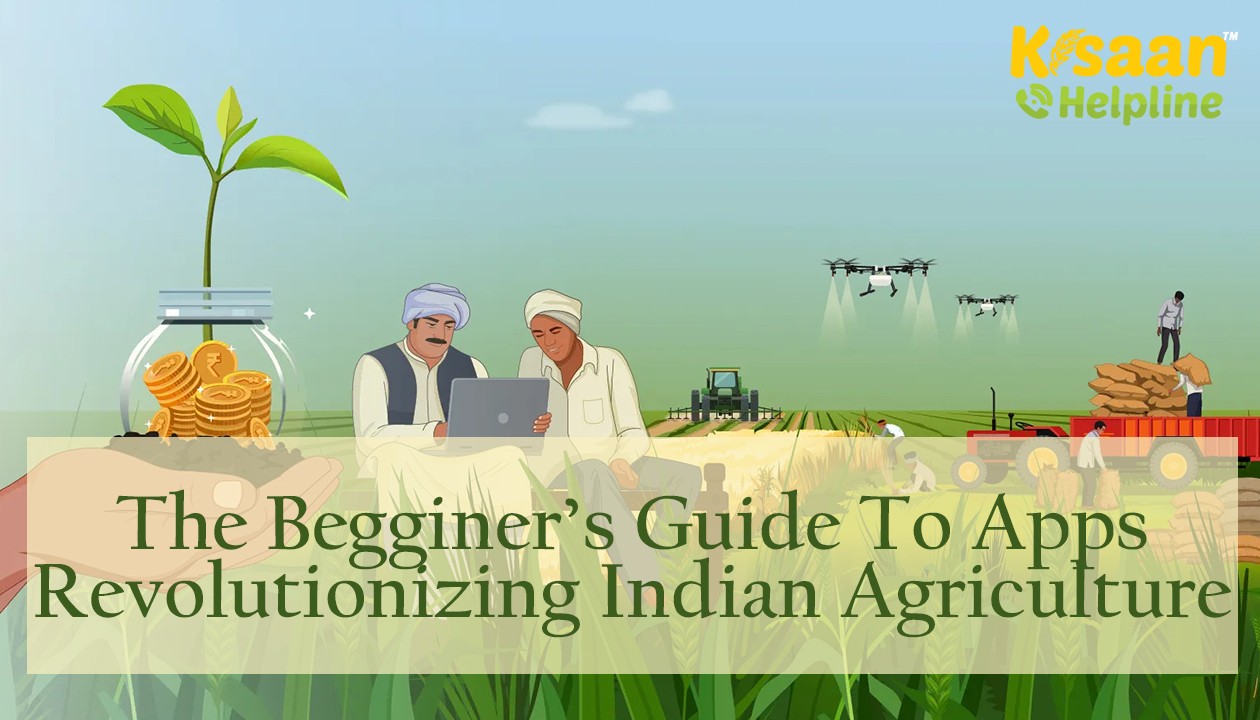
The App Revolutionizing Indian Agriculture: A Beginner's Guide


Many aspects of agriculture are impacted by technology, including seed technology, pesticides, and fertilizers. Pest resistance and higher crop yields are products of biotechnology and genetic engineering. Tilling, harvesting, and manual labour have all become more efficient as a result of mechanisation. Improvements in transportation and irrigation systems, decreased waste from processing machinery, and other factors are all clearly visible.


The feature phone market in India is the second largest in the world, making up about 30% of the total market volume. India had 720 million mobile phone users in 2015, of which 320 million lived in rural areas. Additionally, 50 million smartphone users with internet access were included in this estimate. This share of rural India will increase to 48% by 2020, predicts the Boston Consulting Group study, "The Rising Connected Consumer in Rural India."


Digital agriculture is the application of information and communication technology (ICT) to facilitate the transmission of localized information and services aiming to make farming socially, economically, and environmentally sustainable while assisting in the provision of affordable and wholesome food for all. This has also sparked the growth and development of mobile apps, which are enabling farmers in rural India to access current government programmes and other information related to agriculture. The agricultural conditions in India are changing as a result of this digital innovation. Let us learn more about how digitalization would help farmers and revolutionize the Indian agriculture system.


Several technological developments have transformed agriculture.


1) Increased output from agricultural mechanization: manual labour and hand tools have energy and output restrictions, especially in tropical environments. Due to accessibility, cost, and maintenance concerns, smallholder farmers' resistance to agricultural mechanisation is frequently detrimental. Combine harvesters are being used more frequently to eliminate manual labour and accelerate procedures. Indian agriculture is characterized by small landholdings, making collaboration necessary to utilise contemporary machinery.


2) Climate and weather prediction through artificial intelligence: The use of artificial intelligence in agriculture has made it possible to predict the climate and weather (AI). Data collection is made possible by current technology and AI-based tools, which also support precision farming and well-informed decision-making. Drones, remote sensors, and satellites continuously collect data on the weather in and around fields, giving farmers crucial knowledge about temperature, rainfall, soil, humidity, and other factors.


However, in a nation like India, where subpar farming, dispersed landholdings, and other factors pose obstacles, AI adoption is slow. But there is no denying that AI-based technologies can increase productivity exponentially while bringing precision to large-scale farming.


3) Resilient crops developed via use of biotechnology: Agriculture refers to a broad range of methodologies, including conventional breeding techniques, genetic engineering, and the creation of microorganisms for agriculture. Resilient crops were developed through the use of biotechnology. Generally speaking, genetic engineering makes improvements to livestock and crops by identifying and manipulating genes to increase crop resistance to pests. High-yielding varieties are also created through the use of genetic engineering.


For farmers and final consumers, the application of biotechnology in agriculture has produced numerous positive effects. Given the changing climate and rising population, there is no doubt that safe biotechnology will play a significant role in the future of agriculture, even though some controversial approaches have caused resistance to the adoption of biotechnology.


4) Agriculture Sensors: Indian communications technology has advanced quickly, opening the door to smart farming. In order to help farmers monitor and optimize crops given the environmental conditions and challenges, sensors are now being used in agriculture. These wirelessly connected sensors are used for a variety of tasks, including pinpointing precise locations, measuring airflow, identifying nutrients, and analyzing soil composition and moisture content. Farmers use sensors to apply fertiliser more effectively while using fewer pesticides and less labour. They enable farmers to produce more with fewer natural resources.


5) Increasing farm outputs and using supply chain management: Big Data The use of data for decision-making and problem-solving is expanding through its collection, compilation, and subsequent processing. The benefits of using big data in smart farming are expected to spread throughout the entire supply chain and markets. Agriculture is expanding and is influenced by a wide range of factors.


As a result, complex data is being gathered and used more frequently, which requires meaningful interpretation and management. Data may come from markets, supplier networks, social media, or sensor or machine data collected in the field. Utilizing big data is transforming agriculture, impacting crop yield and the supply chain.


6) Livestock monitoring: It is essential for large-scale livestock management and can aid in the prevention of disease outbreaks. Body sensors and chips measure essential parameters and indicators that could identify disease early and stop herd infection. In a similar vein, ultrasounds are a helpful tool for determining meat quality. This aids in maintaining and raising the meat's quality.


In relation to Kisaan Helpline


We are a dedicated digital platform dedicated to improving farmer life and promoting sustainable agriculture.


Kisaan Helpline, one of India's top portals for agricultural service providers, helps rural communities improve the productivity and sustainability of their agricultural operations. We support farmers in becoming more integrated, connected, and knowledgeable than ever. From land preparation, seeding, and sowing to plant nutrition and protection, we provide you with specialised knowledge that lasts through post-harvesting.


By offering assistance in the following areas, Kisaan Helpline can help you succeed in agriculture:


1) Real-time crop monitoring: Smart agriculture apps can give farmers real-time data on crop growth, development, and health, enabling them to spot and address any issues early on.


2) Weather and soil analysis: These apps can offer farmers data on soil analysis and weather forecasts, which can assist them in making more informed choices about when to plant, fertilize, and harvest their crops.


3) Scheduling irrigation: Farmers can use smart agriculture apps to optimize irrigation schedules based on weather, crop growth stages, and soil moisture levels.


4) Market prices and demand: By keeping track of market prices and demand for their crops, farmers can use these apps to plan their planting and harvesting schedules more effectively.


5) Workforce management: Farmers can use smart agriculture apps to organise their workforce and assign tasks to various employees.


6) Inventory control: These applications can assist farmers in keeping track of their stock, which includes inputs like seeds, fertiliser, and pesticides as well as outputs like harvested crops.


7) Sustainable farming: Smart agriculture apps can also give farmers knowledge and resources to encourage environmentally friendly and sustainable farming methods.


Overall, the Kisaan Helpline is a valuable resource for farmers, assisting them in streamlining their processes and creating a more resilient and prosperous agricultural sector.


Bottom Line


The Kisaan Helpline, which offers a variety of services and information that can help farmers improve their farming operations, is a valuable resource for farmers. Using the helpline, farmers can get access to weather forecasts, market prices, crop management tools, and other helpful data that can help them make better decisions. Additionally, the Kisaan Helpline can give farmers access to professionals and other resources that can assist them in resolving issues and overcoming difficulties. Additionally, the helpline can be used to link farmers with other farmers, governmental bodies, and other organisations that can offer assistance and support.

Saturday, 18 February 2023

The Best Agriculture Website in India's secrets have been Revealed


You need to have at least a basic online presence to compete in the modern market. I would say that having a website and a Facebook page is the absolute minimum for farmers. A strong return on investment is provided by having an online presence. A farm website is unquestionably one of those options. It can be very difficult to keep up with the amount of information available online and the options you have for connecting with your customers. It would be convenient to be able to update numerous social media accounts and run a sizable blog from your office. Nonetheless, a small investment of time and mental energy will pay off handsomely for your agricultural business.


Websites devoted to agriculture are crucial because they offer resources and a wealth of information to farmers and other professionals in the field. Access to these websites may be possible through:


1) Industry news and updates: Agriculture websites can inform farmers and other professionals in the field of the most recent trends and developments in the market, new technologies, and government regulations.


2) Technical and research data: These websites can give farmers and other professionals in the field access to technical data, research reports, and best practices for managing crops, livestock, and other agricultural activities.


3) Government resources and services: Numerous agriculture websites offer details on policies, rules, and initiatives that are pertinent to the sector, such as conservation and disaster relief initiatives.


4) Market prices and trends: A few websites dedicated to agriculture offer data on market prices and trends that can assist farmers in choosing the best times to plant and harvest their crops.


5) Connectivity: Some agricultural websites can link farmers with other farmers, subject matter experts, and agribusinesses, enabling them to share knowledge, benefit from one another's experience, and make better decisions.


Concerning Kisaan Helpline


The Kisaan Helpline's main objective is to spread information gleaned from agricultural research, knowledge, and experiences throughout the agricultural world in order to aid in the development of agriculture through the use of information technology. Our one and only goal is to compile all the information onto one online platform, connect with the farmers, and empower and inform them.


Kisaan Helpline, one of India's top portals for agricultural service providers, helps rural communities improve the productivity and sustainability of their agricultural operations. We support farmers in becoming more integrated, connected, and knowledgeable than ever. From land preparation, seeding, and sowing to plant nutrition and protection, we provide you with specialised knowledge that lasts through post-harvesting. We are the top agricultural service provider in India, assisting you in decision-making on the farm, enhancing performance, forecasting future events, and acting more successfully as predicted.


What sectors do we work in?


1) Indian Crops: Kisaan Helpline is an online portal that provides services to the agriculture industry. It offers information on Indian crops such as rabi (wheat, garlic, chickpea, cumin, onion, mustard, rabi vegetables, pea, opium, coriander, barley, strawberry, and oat) and kharif (urad, cotton, maize, onion, vegetables, ginger, rice, moong, sorghum, and pearl millet). The purpose of all the information mentioned is to give specifics regarding crop name, variety, yield, and fundamental questions.


2) Agricultural Events: Farmers can obtain additional information about agriculture through these events, such as soil testing, training, crop protection, crop nutrition, seeds, agricultural news, articles, advice from agricultural experts, and solutions. On the Agro Expert Forum of the Helpline, farmers can offer suggestions, solutions, articles, their opinions, and agricultural information pertaining to crop protection. The goal of the Kisan Helpline is to encourage agricultural consultants and experts to share their knowledge with others while also keeping their opinions to themselves. This will aid in guiding farmers by promoting their concepts, articles, and agricultural knowledge.


3) Agriculture Training: A programme that offers education and training to people interested in a career in agriculture is known as an agricultural training program. These courses may be offered at universities, colleges, or other academic institutions and may deal with a variety of agricultural subjects, such as:


• Crop production: This can include details on how to plant, fertilize, and harvest various kinds of crops as well as methods for preventing crop damage.

• Livestock management: information on raising, feeding, and taking care of various kinds of livestock can be found in the category of livestock management.

• Soil science and agronomy: Information on soil fertility, soil conservation, and other areas of soil science can be found in the field of soil science and agronomy.


4) Agricultural Digital Magazines: An Indian agricultural digital magazine called Kisaan Helpline offers resources and information to farmers and other people who are interested in the agricultural sector. The magazine covers a wide range of subjects, such as improvements in agricultural technology, farm management, crop and animal production, and marketing and business strategies. They also give farmers the most recent information on government policies and programmes. They cater to a wide range of farmers because of their emphasis on Indian agriculture and availability of information in both Hindi and English. It is simple for farmers to access the information they require, even while they are in the field, because Kisaan Helpline is accessible both online on their website and through a mobile app.


5) Organic Farming: In order to grow crops and raise animals without the use of artificial fertilisers, pesticides, or other chemicals, organic farming emphasises the use of sustainable, natural methods. It is founded on the usage of natural resources, ecological balance, and biodiversity principles. Crop rotation, green manures, and biological pest control are methods used by organic farmers to maintain soil fertility, manage pests, and increase crop yields.


Animal welfare is a major component of organic farming, and farmers who practice it are required to give their animals access to pasture, clean water, and enough room to roam in a healthy, natural environment.


Conclusion


As an outcome, Kisaan Helpline is a useful tool for farmers, ranchers, and other people interested in the agricultural sector, particularly in India. The online publication offers a wealth of knowledge on a variety of farming and agricultural-related subjects, such as crop and animal production, farm management, marketing and business tactics, and advancements in agricultural technology. It's a great tool for farmers to stay informed and make informed decisions because they also get the most recent updates on government policies and programs. They also provide information in Hindi and English and place a strong emphasis on Indian agriculture, making it useful to a variety of farmers.

Smart Farming Solutions with the Future of Agriculture App


The emergence of technology and digitalization over the past few years in every industry has shown the potential transformative impact of enormous advancement. Rural residents are embracing digital solutions as well, not just urban ones. In India, their share has recently soared to 48%. We can safely conclude that there has been an influx of smart farming technology that has brought about some significant innovations in the day-to-day lives of farmers, given that the majority of the rural population comes from a farming background. The most recent technological advance in agriculture is smart farming. Since the beginning of time, farmers have used technological advancements to modify their farming methods to suit the needs of the times.


Smart farming is a concept of farm management that automates inputs and improves the quality and quantity of outputs using agtech, agritech, or modern technology. The agriculture app for farmers, which was created specifically with features to increase agriculture efficiency, is one way that farmers can incorporate smart farming. The advanced features needed for farmers to make wise decisions on their farms are built into smart agriculture apps. Let us now consider the significance of smart farming solutions in the future of agriculture apps.


How Does a Smart Agriculture App Benefit Farmers?


The need for food rises along with the world population. It is no longer possible to categorize as traditional the profession of farming, which has existed since the beginning of time. Why? Because maintaining the status quo will make it challenging to feed the population of the future. Farmers all over the world are already shifting their practices to become more digitally oriented.


Earlier, farmers continued to practice what they had been doing for years due to a lack of information and other factors. However, with the idea of "smart farming," they now have the opportunity to manage their farms and maximise their yields using technology.


1) To make effortful, cost-effective farming decisions: Instead of basing farming decisions on theories and concepts, smart agriculture apps strategically use technology and digital technologies to detect crop variability and manage crops accordingly. This saves time and money compared to traditional farming methods.


2) To increase output: Using a smart agriculture app, farmers can maximise their output. Farmers can be sure to produce more sustainably with the use of smart farming techniques because the smart farming app enables farmers to be present when their crops need them most, all from the convenience of their smartphones.


3) To advance technologically: Agricultural technology and smart farming are intertwined in terms of technological advancement. The use of technology in agriculture will assist farmers in applying pesticides, fertilisers, and other agricultural inputs selectively and in the necessary quantities in specific locations, potentially reducing the need to apply these inputs uniformly across the farm.


4) Weather forecasts and data on soil analysis: It can be found on the app, which can assist farmers in making more informed choices about when to plant, fertilize, and harvest their crops.


5) Planning irrigation: Using information about the weather, crop growth stages, and soil moisture levels, the app can assist farmers in creating the most effective irrigation schedules.


6) Market prices and demand: The app can assist farmers in monitoring market prices and crop demand so they can make more educated choices about when to plant and harvest.


7) Labour Management: Utilizing the app, farmers can assign tasks to various workers and manage their labour force.


8) Inventory Management: The app can assist farmers in managing their inventory, which includes inputs like seeds, fertiliser, and pesticides as well as outputs like harvested crops.


Kisaan Helpline: What is it?


A dedicated digital platform to enhance farmer life and support sustainable agriculture Kisaan Helpline, one of India's top portals for agricultural service providers, helps rural communities improve the productivity and sustainability of their agricultural operations. We support farmers in becoming more integrated, connected, and knowledgeable than ever. From land preparation, seeding, and sowing to plant nutrition and protection, we provide you with specialised knowledge that lasts through post-harvesting. We are the top agricultural service provider in India, assisting you in decision-making on the farm, enhancing performance, forecasting future events, and acting more successfully as predicted.


Why choose us?


1) Data Gathering


For the most recent update, we had a strong research team. KH maintains data going back years to assist farmers in resolving problems with crop management.


2) Innovation


Our upcoming AI will be accessible to farmers around-the-clock. Farming requires innovation, and we are enthusiastic innovators.


3) Live support and solutions


Using Salah and Samadhan is a special method for answering farmers' questions.


Features of our smart and farmer-friendly app, Kisaan Helpline


1) A system for managing a supply chain


Integrating planning, execution, and control of agricultural-related activities can help farmers produce and deliver goods more effectively. Farmers can use it to better plan their farming operations and increase yields.


2) Weather predictions


A very important feature that farmers look for in a farming mobile app is a weather forecast, which is extremely important for agricultural activities. The accuracy of this data can aid farmers in being ready for any unforeseen circumstances.


3) Individualized crop management and scheduling


Every farmer and every field has different needs for growing crops. Farmers can feed their data into this feature of a smart agriculture app to get a crop schedule for all upcoming activities. This makes it easier for farmers to manage their crops and themselves.


4) Financial Insights


Farmers struggle to accurately manage profits and losses on their farms. Farmers can effectively understand their gains and reduce losses when and where necessary with the help of this feature. A smart agriculture app with this feature brings the farmer one step closer to downloading.


5) Support in agronomy


Farmers require support in agronomy at all stages of the crop cycle. Crops suffer substantial losses due to pests, diseases, and occasionally abrupt environmental changes. But prompt guidance can assist farmers in avoiding it. When a problem arises, this feature in a smart agriculture app can make it simple for farmers anywhere to contact an agronomist.


Conclusion


In conclusion, agriculture apps have a promising future because they give farmers useful resources and knowledge that can boost their farms' productivity, efficiency, and profitability. These apps will probably become even more advanced and feature-rich as technology develops. Additionally, as more farmers use these apps, a wealth of data will become available to boost the accuracy and decision-making abilities of these apps. Furthermore, smart agriculture apps can be extremely helpful in achieving this goal due to the growing demand for farming methods that are environmentally friendly and sustainable.


Farmers can get access to a variety of services and information from the Kisaan Helpline that can help them improve their farming operations. These services offer crop management tools, market prices, weather forecasts, and other useful data that can assist farmers in making better decisions. Additionally, the Kisaan Helpline can give farmers access to professionals and other resources that can assist them in resolving issues and overcoming difficulties. Additionally, the helpline can be used to link farmers with other farmers, governmental bodies, and other organisations that can offer assistance and support. Overall, the Kisaan helpline is a valuable resource for farmers, assisting them in raising their standard of living and creating a more resilient and prosperous agricultural sector.

Friday, 17 February 2023

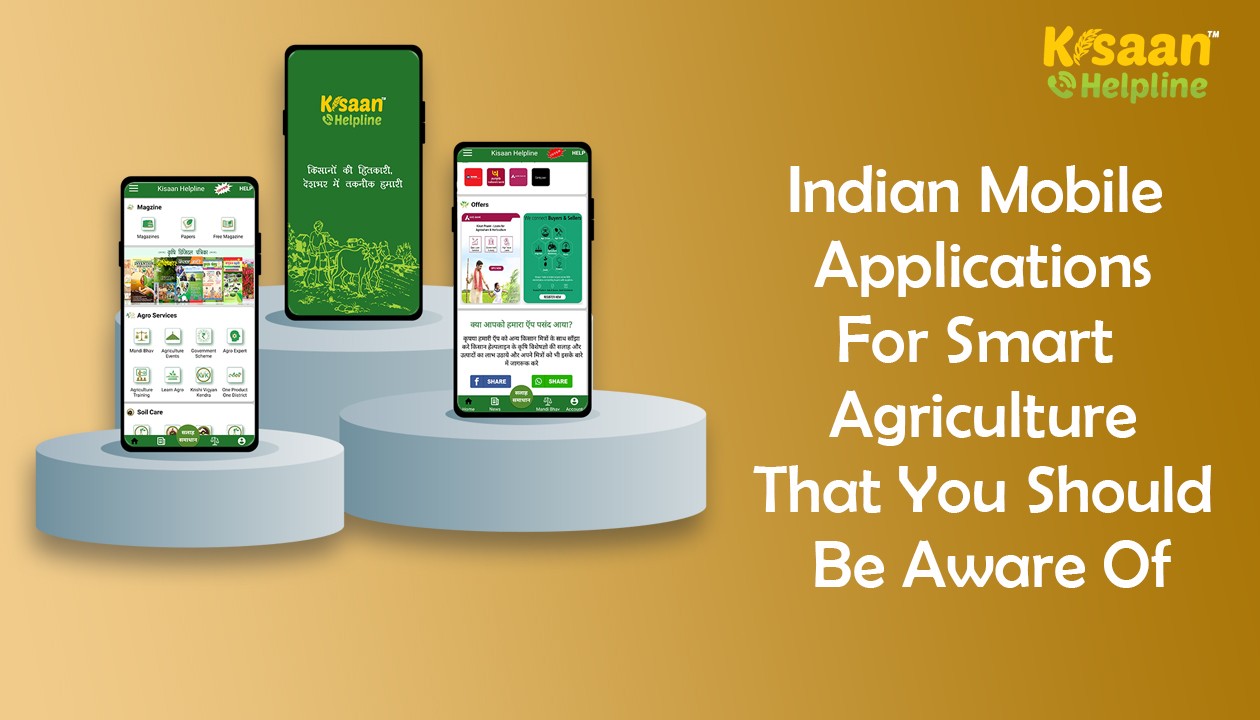
Indian Mobile Applications for Smart Agriculture that you should be aware of


When we hear the word "agriculture," images of tractors, bullock carts, and laborers toiling away in the fields come to mind. But times have changed, and technology is now permeating the agricultural industry. There is a lot that can be done using the power of technology, ranging from high-tech ways to identify the best-quality seeds to the best agricultural processes. At the same time, it is anticipated that the use of technology will boost farmer income. When it comes to technology, modern farmers are now using cutting-edge equipment, top-notch tools, and even some software to improve the quality of their farming. But one of the best and most practical applications of technology is the advent of mobility.


The introduction of cloud-based and mobile applications


In this stage of civilization, it is becoming increasingly difficult to find raw materials and resources. The sustainability challenges that lie ahead are acknowledged as real when we take into account the pollution, rising emissions, soil deterioration, and water shortage. But recently, 3G mobile networks have started to appear all over the world, adding to this same scenario.


Despite the apparent disconnect between agriculture and mobile app technology, there is growing evidence that using mobile and cloud-based applications not only addresses these sustainability challenges but also generates revenue for both large agriculture-based companies and smallholder farmers.


Such portable wireless devices and mobile technology have sparked the development of cutting-edge services and applications that are used in both developed and developing nations' agricultural supply chains. There are differences in how these technologies are being adopted in these two markets. Mechanization is more advanced, and the agricultural labour force is significantly smaller in developed nations.


What are the advantages of mobile apps and technology for farmers?


With the aid of cloud computing, integrated IT systems, online education, and the widespread use of mobile phones, it is now simpler to disseminate agriculturally related information to farmers in the poorest communities. Farmers can make better land management decisions thanks to such connectivity and information flow, which is one of their many advantages.


For instance, it can make it possible to monitor soil condition in conjunction with weather data to better plan the planting and harvesting seasons. Similar to this, farmers can use geographic information systems to provide proactive information on pests and animal diseases so they can react in line with the level of risk. Utilizing cloud and mobile computing can also help optimize the use of water, seeds, and fertiliser.


Do small-scale farmers who own land use mobile apps?


Regardless of the size of their land, mobile apps for farmers can have a big impact on them. Smartphone agriculture apps can help farmers of all sizes, whether they have a few hundred hectares of land in rural Argentina or just an acre in India, solve their problems.


Governments are attempting to connect with farmers today by using agricultural smartphone apps, especially in developing nations. With the aid of cloud computing, integrated IoT systems, and online education, things are relatively easier when it comes to disseminating information about agriculture and connecting with farmers in the poorest communities.


In relation to Kisaan Helpline


Farmers can purchase all agri-inputs and services (such as soil testing and training) through Kisaan Helpline, a dedicated platform with more than 300 product options and 25+ agro-experts. Farmers can easily and quickly receive high-quality products at the village without taking any risks. A group of ardent businessmen founded Kisaan Helpline in 2014. Kisaan Helpline, India's largest agricultural input marketplace, delivers a wide range of high-quality inputs, training services, soil testing, and other services directly to farmers' doors.


By utilising its technology offering for farmer empowerment, Kisaan Helpline is bringing access to high-quality agricultural products and individualized advice.


What makes the Kisaan Helpline unique?


1) Agricultural News: Farmers need news about their industry, and they also want to know how valuable farming is right now. Because of this, we regularly update news and ideas on the Kisaan Helpline portal. We publish the news in both Hindi and English so that farmers can read and understand it easily. We are working to make it compatible with every regional tongue. Our new system is very effective, and agricultural informatics is helpful.


2) Market Price (Mandi Rate): Farmers are always interested in learning how much their crops are worth on the market (mandi). We are giving farmers the best option because they always want to get the best price for the crop. Farmers can access the current market price on a daily basis in our portal.


3) Training in Agriculture: The Kisaan Helpline seeks to inform farmers. We oversee a highly desirable platform for farmers. We have arranged every type of agriculture training programme in this section. The user can learn about every aspect of agriculture. Because farming is such a vast and profitable industry, we are developing a programmed that is both appealing to and appropriate for farmers. From here, they can learn precise information.


4) Suggestion and Solution: Farmers need to communicate their problems, issues, questions, and suggestions, but they are unsure of how to do so. Farmers can ask any questions in this section with ease, and our knowledgeable team will respond to all inquiries. This serves as a system of support. Farmers can receive a precise answer in a timely manner.


5) Farming Method: Farmers who use the incorrect method are unable to produce crops of the expected quality and are therefore unable to charge the correct price for their produce. Therefore, the expert team at Kisaan Helpline will give you the best farming technique. Farmers can easily obtain accurate information about farming methods. Our experts will give you the best advice and information.


6) Digital Magazine: Kisaan Helpline also offers a section of digital magazines to help farmers advance their knowledge. Farmers can read our online digital magazine after following the strategy of the traditional farming method to improve their farming operations. We have a very unique assortment of extremely rare magazines, which are unavailable online or in physical stores. Digital magazines are easily accessible to farmers. The farming method is very well supported by digital magazines. For your benefit, our knowledgeable agro-scientists also advise doing this.


Bottom Line


The Kisaan Helpline, which offers a variety of services and information that can help farmers improve their farming operations, is a valuable resource for farmers. Using the helpline, farmers can get access to weather forecasts, market prices, crop management tools, and other helpful data that can help them make better decisions.


Numerous farmers use mobile apps to carry out their daily tasks. The introduction of mobile apps has demonstrated many useful advantages in the agricultural sector, ranging from improved land management decisions to high-quality yield. Farmers have even begun utilising various mobile applications to assess the health of the yields throughout the crop cycle.


Additionally, some of the most recent mobile apps are used to make crucial farming decisions regarding the use of pesticides and fertilisers. Farmers now have the advantage of basing their decisions on research rather than just gut feelings or custom.